




What Is Macular Degeneration? Symptoms, Causes & Treatments
Macular degeneration can sound intimidating, but it doesn’t mean the end of clear, functional vision. When identified early, many people are able to maintain their quality of life with proper monitoring and care. Knowing the signs, causes, and treatment options puts you in a stronger position to protect your long-term eye health.
What Is Macular Degeneration?
Macular degeneration, often called age-related macular degeneration (AMD), is an eye condition that affects the macula, the central part of the retina responsible for sharp, detailed vision. This is the vision you use for reading, driving, recognizing faces, and focusing on fine details.
AMD does not cause total blindness - but it can significantly impact your central vision, making everyday tasks more challenging if left undetected or unmanaged.
There are two main types:
• Dry AMD - the most common form, developing slowly over time
• Wet AMD - less common but more severe, progressing faster without treatment
Why Routine Eye Exams Are Essential for Protecting Your Vision
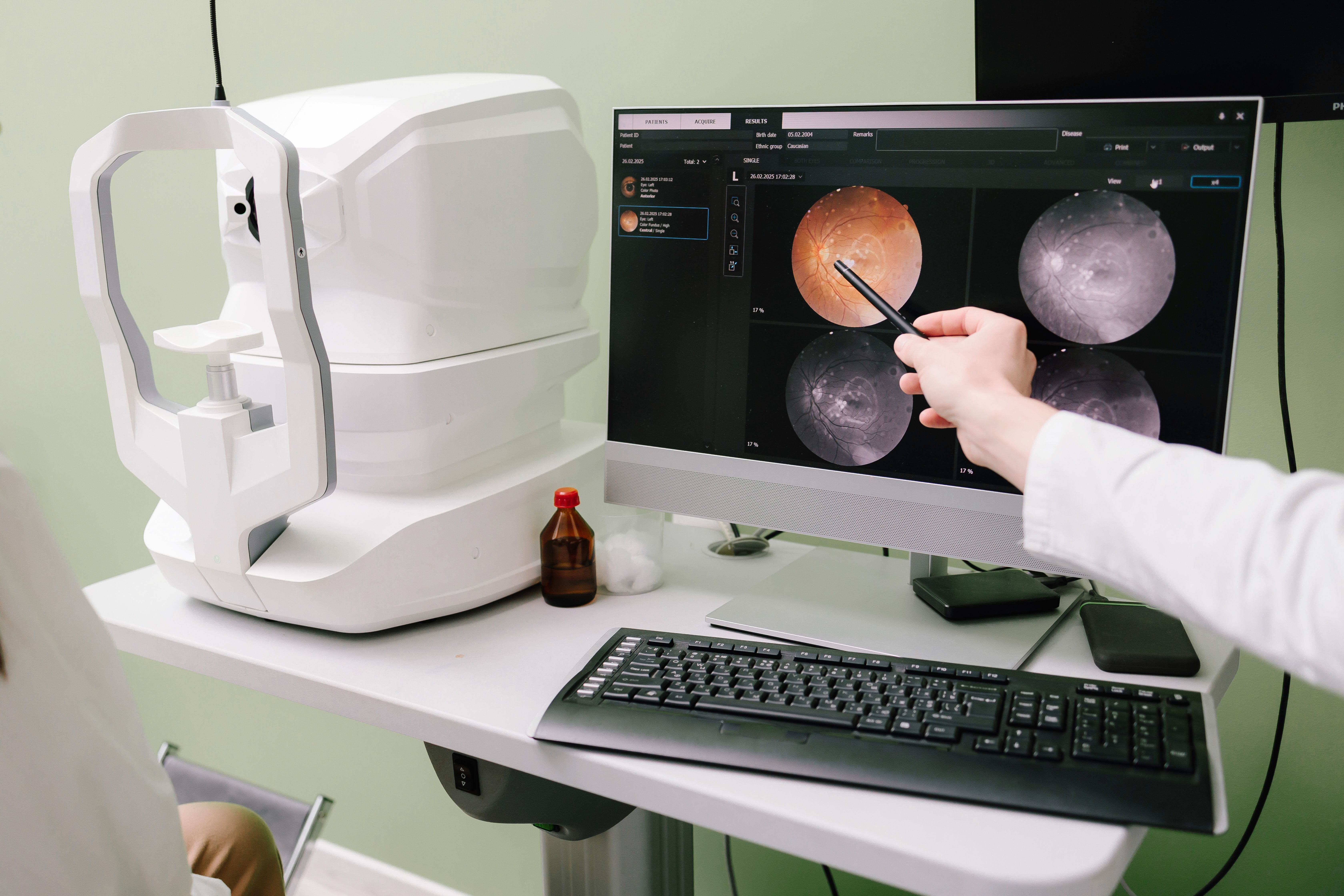
Macular degeneration often begins long before noticeable symptoms appear, which is why routine eye exams are more important than ever. At Unique Eyecare & Optical, medical eye exams allow us to detect early signs of macular degeneration, monitor subtle changes over time, and use advanced diagnostic technology to evaluate your eye health with precision.
This proactive approach helps us create personalized care plans and adjust treatment as your eyes change. Early detection can make a significant difference in preserving independence and quality of life.
Common Symptoms to Watch For
Because macular degeneration often progresses gradually, early changes can be easy to miss without regular eye exams. Common symptoms include:
• Blurred or fuzzy central vision
• Difficulty reading or seeing fine details
• Straight lines appearing wavy or distorted
• Trouble recognizing faces
• Dark or empty spots in the center of vision
• Needing brighter light to see clearly
If you notice any of these changes, it’s time to schedule an eye exam. Early changes are often easier to manage than advanced ones.
What Causes Macular Degeneration?
Macular degeneration doesn’t have a single cause. While aging plays the largest role, several factors can increase your risk over time. Genetics can influence who develops the condition, and lifestyle choices such as smoking, diet, and sun exposure also matter. Certain health conditions, including high blood pressure and cardiovascular disease, may contribute as well.
How Is Macular Degeneration Treated?
There is currently no cure for macular degeneration - but there are effective ways to slow its progression and protect remaining vision.
Treatment options depend on the type and stage of AMD and may include:
• Lifestyle and dietary changes, including eye-healthy nutrients
• AREDS2 vitamin supplements for certain patients
• Advanced monitoring for early-stage AMD
• Medical treatments such as injections for wet AMD
• Low-vision solutions to help maximize usable vision
Don’t Wait for Symptoms to Appear
Understanding macular degeneration and staying proactive with routine eye exams can make a meaningful difference in protecting your vision over time. The earlier changes are detected, the more options you may have for preserving your sight.
Schedule your annual eye exam at Unique Eyecare & Optical to screen for early signs of macular degeneration and protect your long-term vision. Visit our office in Houston, Texas, or call (713) 522-2007 to book an appointment today.


Contact Us
Let’s keep in touch!

Office Hours
Monday 10:00 am -5:30 pm
Tuesday 10:00 am -5:30 pm
Wednesday 10:00 am -3:00 pm
Thursday 10:00 am -5:30 pm
Friday 10:00 am -5:30 pm
Saturday 10:00 am -3:00 pm
Sunday Closed
Tuesday 10:00 am -5:30 pm
Wednesday 10:00 am -3:00 pm
Thursday 10:00 am -5:30 pm
Friday 10:00 am -5:30 pm
Saturday 10:00 am -3:00 pm
Sunday Closed
© 2026 Unique Eyecare & Optical | All rights Reserved | Accessibility Statement | Privacy Policy | Sitemap
Powered by:


